
Home > Method
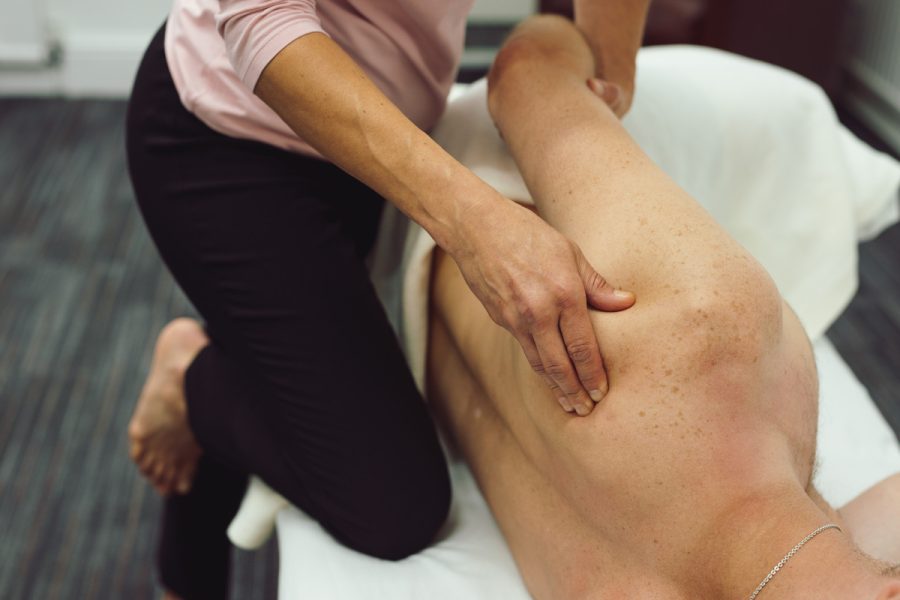
The Rolf Method of Structural Integration is a comprehensive system of advanced bodywork and movement education developed by Ida Rolf, PhD. It is designed to improve how the body is organised within gravity, creating lasting changes in posture, movement, and overall function.
Rather than treating isolated symptoms, Structural Integration works with the entire body as an interconnected system. The goal is not just to relieve pain, but to restore balance, efficiency, and ease of movement throughout the whole structure.
Structural Integration addresses the body:
This systematic approach allows long-standing patterns of tension and compensation to be identified and gradually resolved, creating meaningful and sustainable change.
At the core of Structural Integration is work with the fascial system — the connective tissue network that surrounds and supports muscles, bones, joints, and organs.
Fascia:
Over time, fascia can become dense, dehydrated, and restricted due to poor posture, repetitive movements, injury, or emotional stress. These restrictions can pull the body out of alignment, limit movement, and contribute to pain.
Through precise, skilled manual therapy, Structural Integration releases these restrictions, allowing the body to reorganise into a more balanced and adaptable state.
Structural Integration is fundamentally about improving the body’s relationship with gravity.
When the body is well aligned:
This state is known as Dynamic posture — not a rigid position to hold, but an adaptable, responsive organisation that supports movement in everyday life.
When forces are evenly distributed and gravity flows efficiently through the body, every step you take contributes to strength, balance, and resilience.
The traditional Rolf Method Series is a progressive programme of ten sessions, each with a specific focus. Together, the sessions work to integrate the entire body into a more coherent and functional whole.
Each session builds on the previous one, allowing changes to be integrated gradually and safely.
The series:
While the Ten Series is a classic framework, sessions can also be adapted to individual needs, goals, and life circumstances.
It takes only 10 sessions to change the habits of a lifetime.
Structural Integration is not only hands-on bodywork. It is also a learning process.
Through movement education, you will:
This integration of bodywork and movement education helps ensure that changes last — supporting long-term health rather than temporary relief.
Clients often report:
As alignment improves, movement becomes easier — and movement itself becomes a source of healing.
Structural Integration is not a quick fix or a passive treatment. It is a process of change that respects the body’s history and capacity to adapt.
The work invites your body to reorganise itself over time, creating conditions for long-term improvement rather than short-lived results.
Speak to Martina and schedule your free introductory call today
If you are curious about how Structural Integration can support your posture, movement, and overall wellbeing, you are welcome to get in touch.